
Almost every couple who books me for a wedding in Italy asks the same question at some point: “Wait, will we actually be legally married?” The honest answer: you can be, but there are three very different options, and the one you choose shapes your whole day: your timeline, your venue and your photos.
I’m a photographer, not a lawyer, so treat this guide as an overview and always double-check the details with your consulate, your planner or the local town hall. But after more than 300 weddings, I know exactly how each option plays out on the day.
Option 1: A symbolic ceremony, the choice of most international couples
A symbolic ceremony is not legally binding in Italy. You sign the legal papers at home, before or after the trip, and in Italy you have the ceremony exactly the way you dream of it.
Why couples love it:
- Any place. A villa terrace on Lake Como, a garden in Tuscany, a cliff above the sea.
- Any time. You choose the hour, which means you choose the light.
- Any language. Your own celebrant, your own vows, your own rituals.
- Almost no paperwork in Italy.
From a photographer’s side: this is my favourite option. We can plan the ceremony for the softest light of the day, your guests aren’t squinting into the midday sun, and nobody rushes you out because the next couple is waiting.
Option 2: A civil ceremony to be legally married in Italy
A civil ceremony is performed by the mayor or a registrar, either at the town hall (Comune) or at a venue authorised for civil weddings. The marriage is legally valid in Italy and, once registered at home, recognised in most countries.
What you need to know:
- The paperwork is serious. You’ll typically need valid passports, full birth certificates, an apostille on foreign documents, certified Italian translations and a Nulla Osta, an official declaration that you are free to marry. If one of you was married before, you’ll need extra documents.
- Where the Nulla Osta comes from depends on your nationality. US, UK and Australian citizens usually arrange it through their embassy or consulate in Italy. For some it takes days, for others several weeks. EU citizens often get the equivalent document from their home registry office before travelling.
- Language. The ceremony is conducted in Italian. If you don’t speak it, an interpreter must be present.
- Two witnesses. They can be your friends and don’t need to be Italian.
- Arrive early. Documents are usually submitted to the town hall a few days before the wedding.
- Cost. Translations, apostilles, town hall fees and an interpreter usually add up to around €600–€2,000, more in popular destinations, plus planner fees if someone handles it all for you.
- Same-sex couples can enter a civil union (unione civile), which is legally recognised in Italy.
From a photographer’s side: civil ceremonies are short (often 15–20 minutes), the time slot is set by the town hall, and each Comune has its own rules. Some historic town halls are stunning. Others are offices with fluorescent light. Ask to see the room before you decide, or choose a villa that is authorised to host civil ceremonies.
Option 3: Catholic church ceremony
A Catholic wedding in Italy can also be legally valid (a so-called concordat marriage), because the priest registers it with the civil authorities. It’s the most atmospheric option, and the most bureaucratic.
- At least one of you usually needs to be a baptised Catholic.
- Expect a pre-marriage course, documents from your home parish and approvals from the diocese.
- Start 6–12 months ahead.
- Churches set their own rules: time slots, music, flowers, and sometimes where the photographer can stand and whether flash is allowed.
From a photographer’s side: Italian churches are pure cinema. But always ask the priest about photography rules in advance. I always introduce myself before the ceremony, and it makes a real difference.
Which option is right for you?
- Choose symbolic if you want freedom, a venue with a view and the least stress. Sign at home, celebrate in Italy.
- Choose civil if it matters to you that your legal date and place are in Italy, and you’re ready for the paperwork.
- Choose church if faith is at the heart of your wedding and you have time to prepare.
Many of my couples do both: a quick legal signing at home with their closest family, and the real celebration in Italy. If you’re still deciding on the size of the day, read my take on elopement vs traditional wedding.
A simple timeline for a legal wedding in Italy
- 6–12 months before: decide on the type of ceremony, book the venue and check whether it can host a civil ceremony.
- About 4 months before: order full birth certificates and apostilles.
- About 3 months before: get certified Italian translations and book your consulate appointment.
- 1–2 weeks before: arrive in Italy and collect the Nulla Osta if it’s issued locally.
- A few days before: submit your documents to the town hall.
- After the wedding: register your marriage in your home country.
The most common mistakes
- Starting too late: give yourself at least 3–4 months for a civil ceremony.
- Ordering a short-form birth certificate instead of the full one.
- Forgetting the apostille.
- Assuming the venue will handle the legal side for you.
- Planning the ceremony time without thinking about the light. (That one is my personal pet peeve.)
Plan your ceremony around the light
Whatever you choose, the ceremony time decides how your photos will look. In summer, midday sun in Italy is harsh: squinting guests, hard shadows, shiny faces. The most beautiful light comes in the last two hours before sunset. With a symbolic ceremony you can plan for it; with a civil or church ceremony, ask for the latest possible slot. My guide to the best time of year to get married in Italy goes deeper into seasons and light, and if you’re wondering how to fit portraits into a tight timeline, read First Look or Not?
Planning a wedding or elopement in Italy?
I photograph weddings and elopements on Lake Como, in Tuscany and across Italy and Europe, and I’m happy to help you plan a timeline that works for your ceremony and your light. Send me your date and location through my contact page. And if you’re still working out the budget, here’s what a destination wedding in Italy really costs.
FAQ
Is a symbolic wedding in Italy legally valid? No. You’ll need to marry legally in your home country, before or after your celebration in Italy.
Do we need to live in Italy to get married there? No, there’s no residency requirement. You just need to be in the country a few days before the ceremony to finalise the documents.
Can we have a civil ceremony at a villa? Yes, if the villa is authorised by the local municipality to host civil ceremonies. Many are, so ask early, as dates go fast.
Will our Italian marriage be recognised at home? In most countries, yes, once you register it with your home authorities using the Italian marriage certificate.

How Much Does a Destination Wedding in Italy Cost in 2027? Lake Como vs Tuscany vs Amalfi

First Look or Not? A Wedding Photographer’s Honest Advice

Best Time of Year to Get Married in Italy: Weather, Light and Crowds
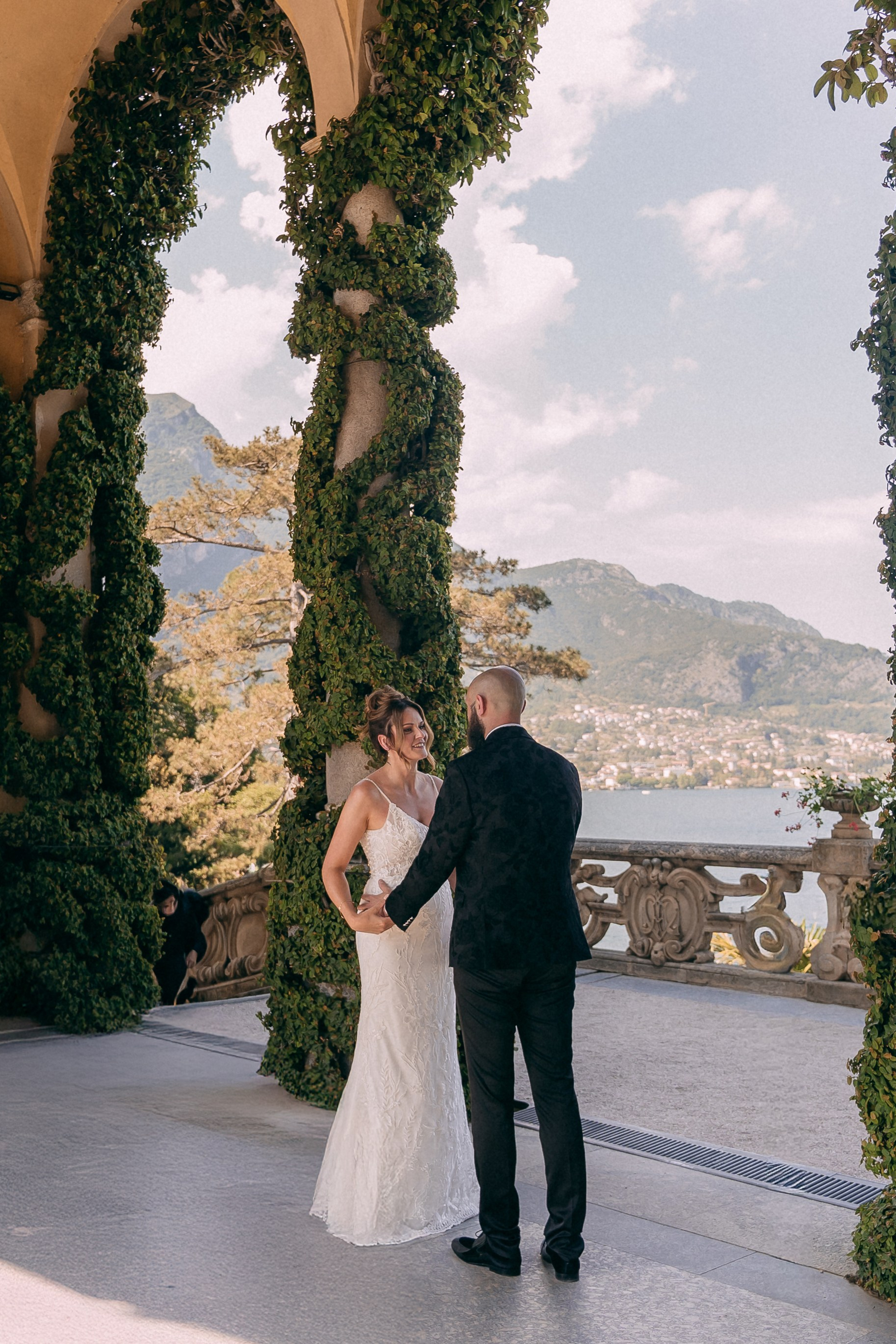
What to Wear for a Lake Como Wedding: A Couple’s Style Guide
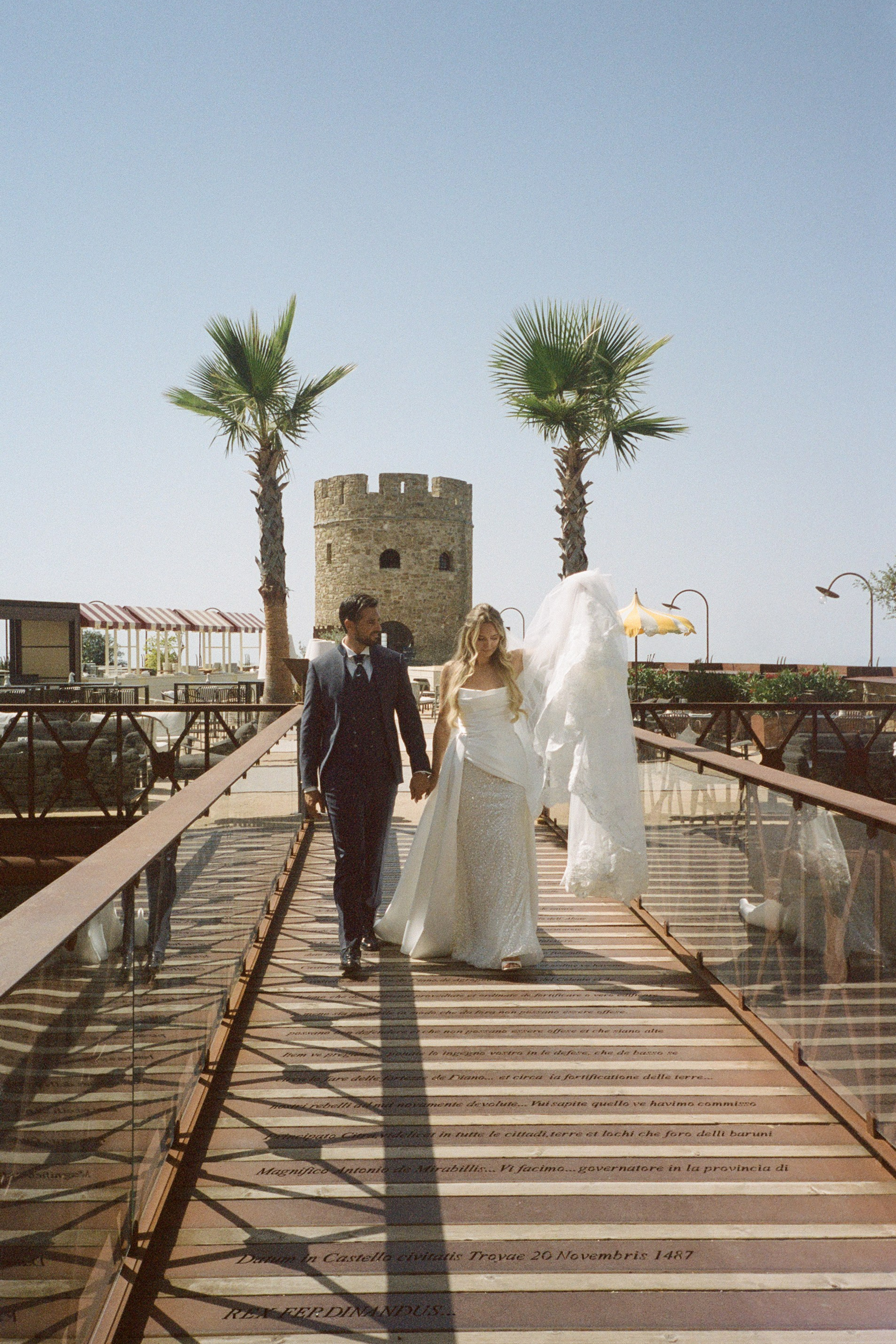
Is Film Wedding Photography Still Worth It in 2027?
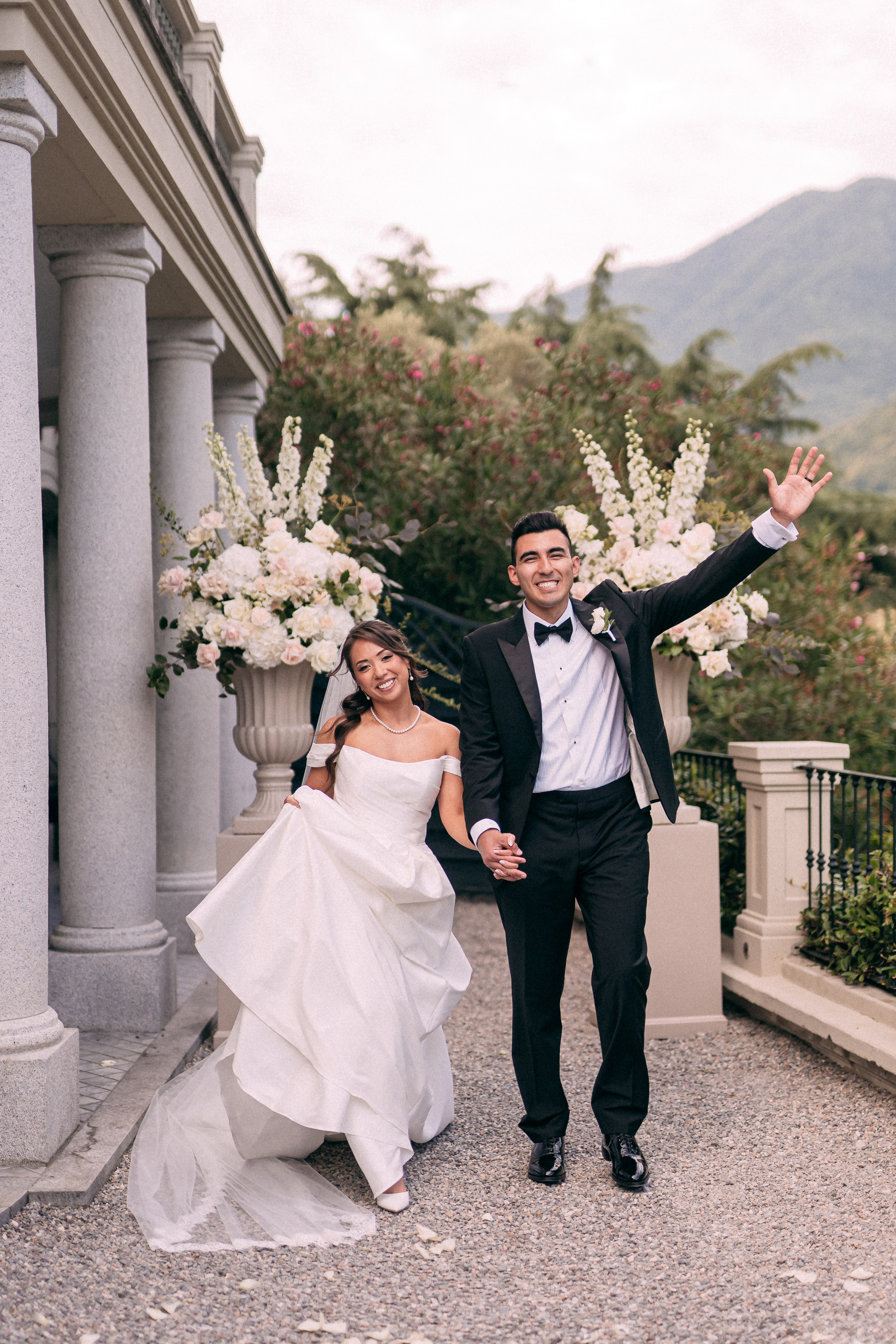
Wedding Photography Trends 2027: What Couples Are Asking For

Elopement vs Traditional Wedding: Which One Is Right for You?
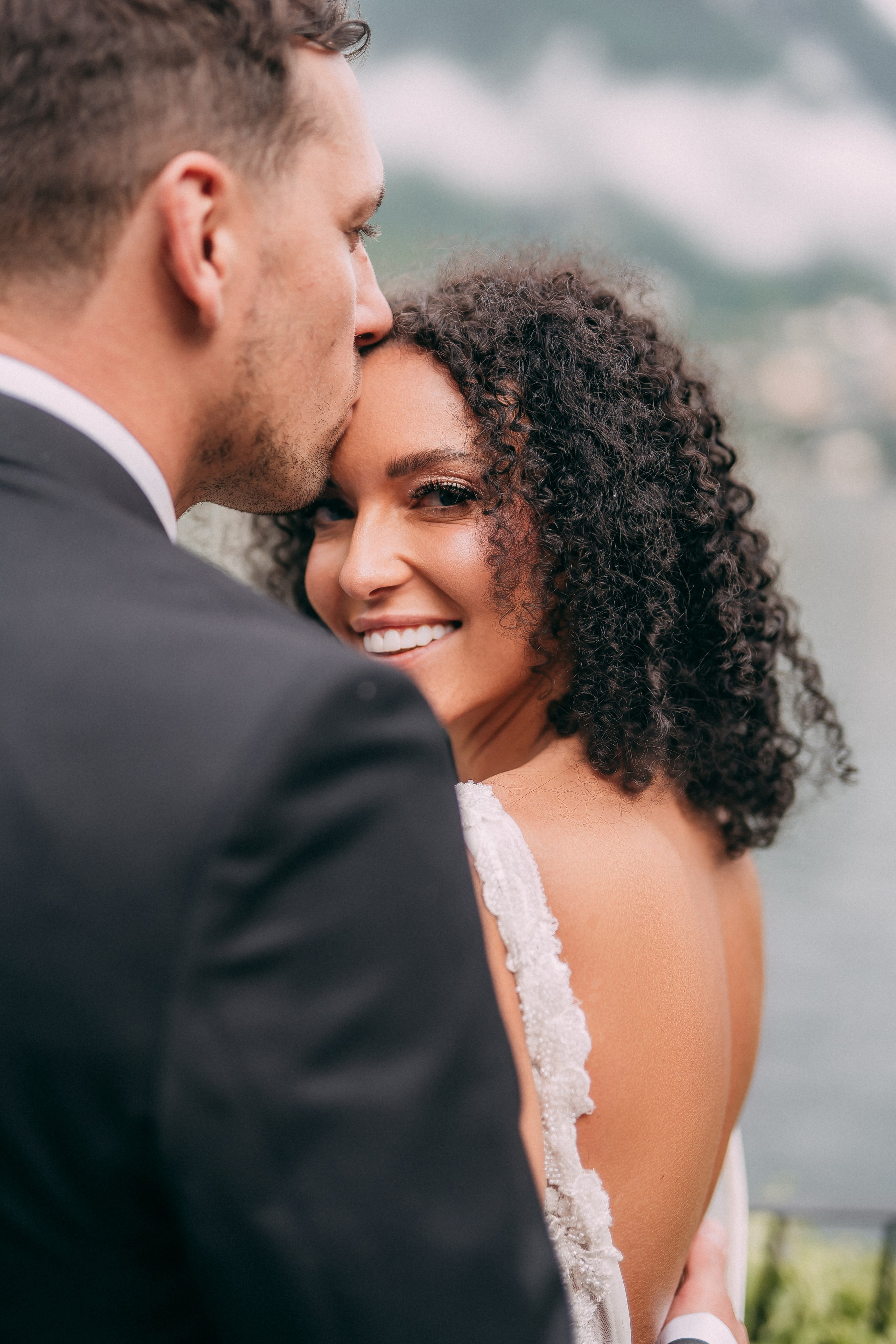
Diana Bond Photography FAQ: Everything Couples Ask Before Booking

Wedding Photography Prices in Italy 2026: What’s Included and What Affects the Cost

How to Find a Destination Wedding Photographer in Italy: Step-by-Step Guide
Best Elopement Photographer in Lake Como: What to Look For and Why It Matters

Lake Como Elopement Guide: My Favorite Villas for an Intimate Wedding
